


Regular Exercise Beat an Hour of Walking for Sleep
Miyagi 2026 tied a year of twice-weekly sweat to higher odds of rested sleep. Keeping an hour of daily walking did not.
# Regular Exercise Beat an Hour of Walking for Sleep
The badge was still warm and the lot was already dark. Friday. Division Series does not start until tomorrow, noon Central, White Sox at Cleveland, on the schedule page. I had been on my feet since the morning meeting. The miles were real. The rest was not.
The night officer coming on asked the question I used to dodge. He walks the same halls after I leave. He still wakes up feeling borrowed. I almost told him to add a lap before he badged in. Laps are free. A shirt change is not.
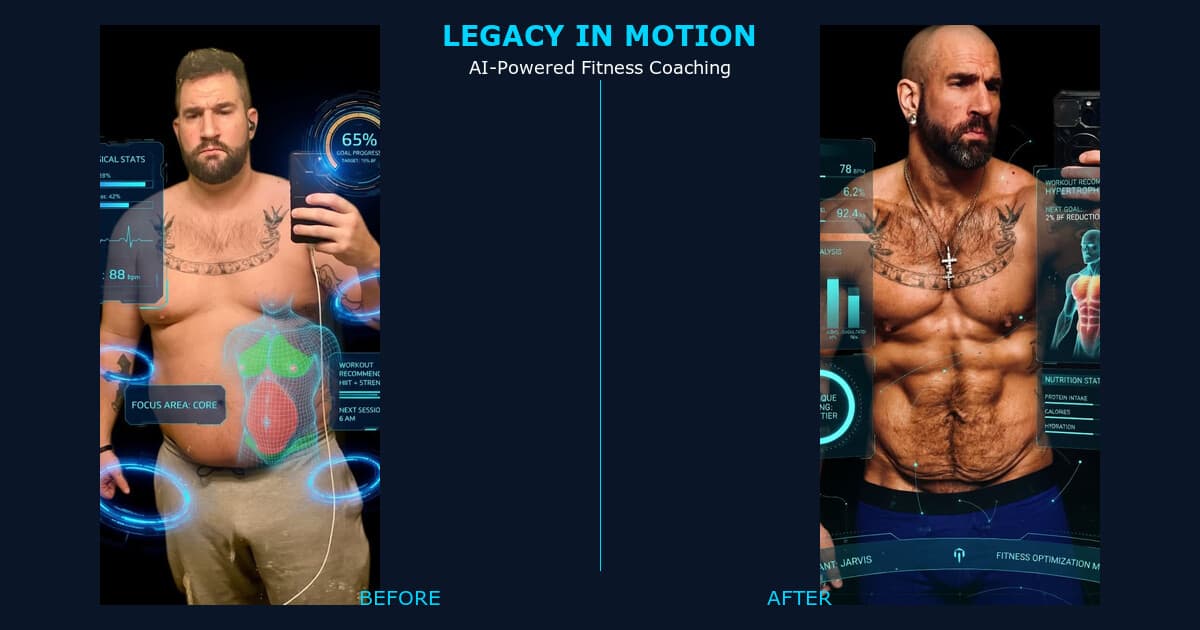
I am 40. Day-shift hospital security supervisor. The 112 pounds, 308 to 196 over 9.5 months, starting mid-2025, did not come from an extra loop of the floor. I had already sent Chiron a voice-note at lunch saying the legs were cooked and the morning still felt borrowed. He had written two sweat blocks for me. I had not opened them. The officer's question made that ignored note feel like a verdict.
Related Read
6-6-6 Walking Works — The 6 A.M. Rule Doesn'tThe viral 6-6-6 walking challenge is a solid zone-2 hour with bookend mobility. The 6 a.m. clock lock is influencer theater. How busy parents and shift workers keep the structure without wrecking sleep.
Standing all shift is not a sweat session.
Quick take
- Miyagi, Fukuda, and Yamamoto followed 702,007 Japanese adults who already said they were not getting enough rest from sleep. Medicine and Science in Sports and Exercise, September 2026, volume 58, issue 9, pages 1991 to 1997. Same abstract on PubMed.
- Crossing into their regular-exercise box was tied to 37 percent higher odds of later saying sleep felt restorative. Adjusted odds ratio 1.37, confidence interval 1.34 to 1.40.
- Keeping an hour a day of walking did not separate from never reporting that hour. Adjusted odds ratio 1.00, confidence interval 0.99 to 1.01.
- The Yes box already says "for over a year." A Friday sweat before noon Central first pitch is not what they measured.
The number that would have let me off
I opened the abstract in the hall because I wanted a sentence that let both of us keep doing what the job already forces. The coffee had gone cold while he waited on permission.
Their exercise question is blunt. Light sweating, at least 30 minutes, at least twice a week, for over a year. Yes or no. Walking, or something like it, for at least an hour a day is a different question. Sleep is one line. Do you get sufficient rest from sleep?
They kept people who had both the 2021 and the 2022 checkup and had already answered no on rest. Diagnosed sleep disorders were out. The analyzed group was 702,007 adults on employment insurance in Japan, not this hallway.
I got to the walking line and stopped performing. People who kept reporting the hour had the same odds as people who never reported it. 1.00. The interval sat on 1. Starting the hour did move something, 1.24. Quitting it did not line up the other way. The authors called that inconsistent. I am not building a lap on a number that will not sit still.
The sweat habit did sit still. No to yes: 1.37 against people who stayed no. Kept the yes: 1.23. Dropped the yes: 0.94 against people who kept it. A small dip, not a collapse. They adjusted for age, sex, body mass index, blood pressure, cholesterol, diabetes, stroke, late dinner, skipped breakfast, snacks, smoking, and drinking, and each model adjusted for the other movement box. Still a checkup study. Still not a cause I can tape to a locker.
An hour on your feet did not buy a rested morning.
I looked at the two blocks I had ignored. Each one was thirty minutes of light sweat, not another tour of the floor. The paper's clock is longer than a year once you count the way the question is written. Tonight was not going to finish that clock. Tonight was the part where I stop calling the hallway a session.
Overtime killed his block, not mine
His radio went off before I could finish the sentence. He started the trial last week, so the card on his phone was his. Overtime killed his first sweat block in the doorway. That is how a static plan dies, with a polite reason and a closed ring.
A step ring would have loved the extra halls overtime adds. HealthKit sync would have closed the circle and called his night a win. That circle is the lie this paper is about. The movement the badge already creates can be the hour, and keeping that hour did not carry the consistent link to feeling restored.
I told him that. He nodded the nod I use when a number would let me skip the shirt. Then he asked what he was supposed to do if his block was already dead.
That is the moment a PDF fails you. Chiron does not add a lap so the ring can close. Chiron moved his sweat block to the next open day on his roster, still a sweat, not a victory lap of steps. Shift-aware means the overtime is a fact, not a moral failure. The app kept the habit after the radio ruined the first attempt.
The step ring will congratulate the wrong night.
If you are the parent whose only open block is lunch, or the desk worker whose watch already shows an hour of wandering between meetings, you have his problem with a different uniform. Swapping 30 minutes off the couch is a sedentary question. A security shift is not a couch. Eighty minutes less sleep and a pound is a weight question. This paper did not put anyone on a scale. If the cup is the wreck, that is the caffeine paper, not a lap.
The boring ending is the point
He got off overtime late. I had already badged out. On the way to the car I opened the two blocks I had ignored at lunch and did the first one at home, thirty minutes, before I let myself scroll the schedule again. The voice-note I sent him from the lot said his block was dead and he should not replace it with steps. He did 28 minutes when he got home, logged it in the app, and woke up still feeling borrowed.
Good. That is not a failure of either session. The study's Yes box includes "for over a year." One workout tonight is not that box. A morning that still feels borrowed after one honest session is the paper being honest back at you.
One workout tonight is not a year of the habit.
If sleep has been bad for months, take that to a clinician. They removed diagnosed sleep disorders before they estimated anything. I am not your doctor, and a citation is not a prescription. HERMES can pull the paper when you ask what it actually said. He will not turn 1.00 into a pep talk.
What I built is the part I cannot trust myself to do. I will call steps a session if nobody stops me. So will you, if your job is already movement. Chiron asks which box you are in before he writes the day. HealthKit-driven deloads cut the sweat short when the night was wrecked. They do not convert hallway miles into the habit. You log the session you did. He cannot see a year of sweat you only described in the lot.
The offer is $29.99 a month or $249.99 a year after a 7-day free trial. Cancel anytime. The free community argues these papers in public at Discord.
The app keeps the next sweat block when the step count tries to talk you out of it.
If the same unrested week is the problem, start at Legacy In Motion.
Common Questions, Answered
Does walking an hour a day make sleep feel more restful?
Not once you already have the hour. Miyagi, Fukuda, and Yamamoto, Medicine and Science in Sports and Exercise, September 2026, volume 58, issue 9, pages 1991 to 1997, followed 702,007 Japanese adults who already said sleep was not restful. People who kept reporting at least an hour a day of walking had the same odds of later feeling restored as people who never reported that hour. Adjusted odds ratio 1.00, confidence interval 0.99 to 1.01.
How much did starting regular exercise move the odds?
Starting the paper's regular-exercise box was tied to 37 percent higher odds of saying sleep felt restorative a year later. Adjusted odds ratio 1.37, confidence interval 1.34 to 1.40. That box means light sweating for at least 30 minutes, at least twice a week, for over a year. It is not one session before a Saturday first pitch.
Did quitting exercise wreck sleep in this study?
Not wreck. People who stopped regular exercise had slightly lower odds of improvement than people who kept it. Adjusted odds ratio 0.94, confidence interval 0.92 to 0.97. A small dip. The daily-walking quit number did not even point the same direction, which is why the authors called those results inconsistent.
Does this apply to a night shift that already has you walking?
The sample is employed adults in Japan at annual checkups, not a hospital night crew. The useful split still maps. The job can give you the hour on your feet. That hour was not the box with the consistent link to feeling restored. Persistent insomnia belongs with a clinician. This paper removed diagnosed sleep disorders before it ran the numbers.
Comments (0)
Comments are reserved for Legacy In Motion members.
$29.99/month. No contracts. Cancel anytime.
Get StartedAlready a member? Sign in
You read this far. Now do this.
Stop reading about it.
Start training around your real life.
I went from 308 to 196 lbs working 12-hour overnight shifts with two kids and zero personal trainer. The system I used is now an app that plans your training and meals around YOUR schedule — overnight, day shift, all of it.
Cancel anytime · No setup fee · No long contract
Free Assessment
What's Holding Your Fitness Back?
Take our 60-second quiz and get a personalized breakdown of what's stopping your progress — plus how AI coaching solves it.
Take the QuizFree PDF · No Credit Card
Your free Shift Worker AI Fitness Blueprint
The exact 4-week protocol Jake used to lose 112 lbs working hospital security overnights — sleep timing, the four-minute REHIT window, post-shift macros, and the AI deload trigger. Drops in your inbox in 30 seconds.
Built by someone who actually worked them. No fluff. Unsubscribe any time.
Keep Reading
2026-08-08
6-6-6 Walking Works — The 6 A.M. Rule Doesn't
The viral 6-6-6 walking challenge is a solid zone-2 hour with bookend mobility. The 6 a.m. clock lock is influencer theater. How busy parents and shift workers keep the structure without wrecking sleep.
2026-10-06
A Missed Lunch Is Not a Seven-Day Fast
Pietzner 2024 measured systemic protein changes only after 3 days of a water-only fast in 12 people. Skipping lunch before tonight's game is not that study.
2026-10-03
Silent Atherosclerosis in 57% of Healthy Adults
Bundgaard 2026 found silent atherosclerosis in 57.1% of 16,808 adults with no known disease. This Saturday, feeling fine was the entry rule, not a clearance.
Join our free fitness community — get coaching tips, share wins, and stay accountable.
JOIN THE DISCORD →