


Night Shift Meal Timing on a 12-Hour Rotation: Eat at 7 PM, Not 3 AM
Night shift meal timing on a 12-hour rotation: eat before you badge in. 3 a.m. calories hit a pancreas that already clocked out.
# Night Shift Meal Timing on a 12-Hour Rotation: Eat at 7 P.M., Not 3 A.M.
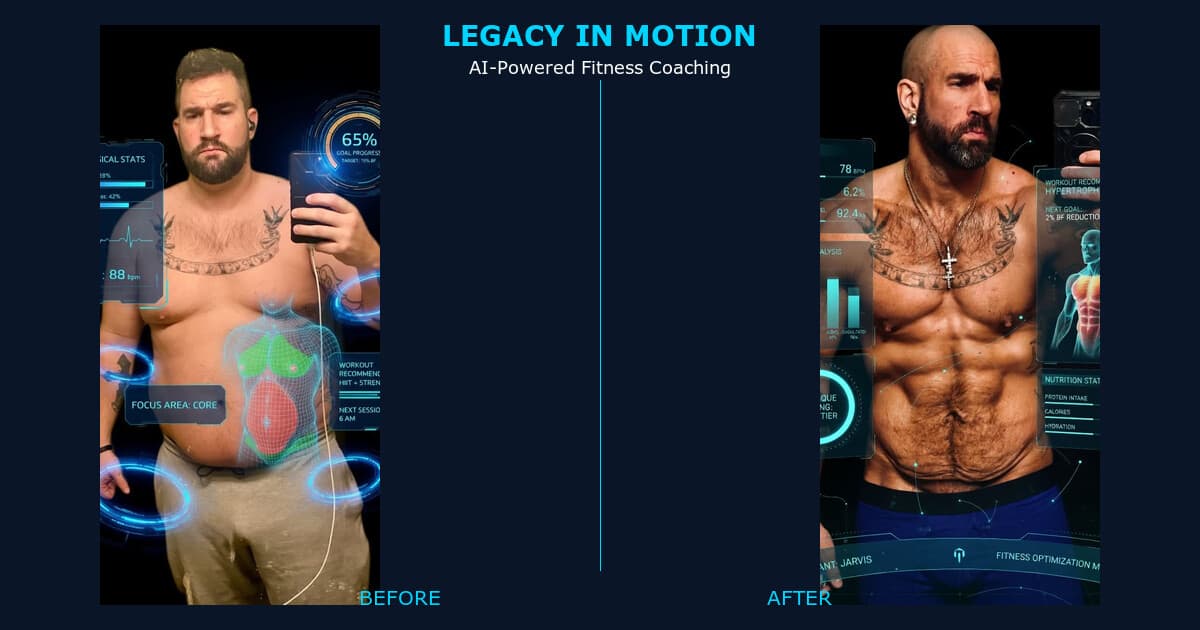
Jake hit the hospital cafeteria at 3:17 a.m. with a radio on his hip and 308 pounds on the scale. Sioux Falls winter, six-on graveyard, and the burger smelled like a plan.
He was hospital security, not a dietitian. Night shift meal timing was not a phrase anyone on that floor had ever used.
He ate it. Then he sat the rest of the rotation in a glucose fog he blamed on being tired. He was tired. He was also feeding a pancreas that had already clocked out.
Related Read
Night Shift Meal Timing: Why Breakfast After Nights FailsDelayed eating windows—not classic 16:8—improve next-day glucose handling for rotating nurses. Build a meal clock from your roster, not the wall clock.
That burger did not make him 308. The pattern did. Same calories. Wrong clock. Wrong organ shift.
TL;DR - Park the real meal before you badge in. On a 7 p.m.–7 a.m. rotation, load-bearing calories belong by 7 p.m., not at 3 a.m. - Melatonin mutes insulin. The same plate at 3 a.m. spikes glucose harder than it did at 6 p.m. because your beta cells already clocked out. - Scheer 2009 (PNAS, n=10): circadian misalignment raised post-meal glucose ~6% and insulin ~22% before you even add a cafeteria tray. - Mid-shift is 20–30 g of protein, not dinner. Use it if you're crashing. Do not turn it into a second plate. - Skip the 7 a.m. meal after badge-out. Sleep is the shift after the shift — don't eat through it.
Your pancreas doesn't work nights
Here's what Jake didn't know standing in that line. The burger was not "just food." It was a glucose challenge fired at an organ running a skeleton crew.
Your pancreas doesn't work the night shift. Stop asking it to.
Insulin release follows a circadian script. Beta cells answer the phone in the biological day. They get sluggish when melatonin rises.
You can eat a "clean" meal at 3 a.m. and still dump glucose like you ordered dessert. This is not willpower. This is a clock in the gut, the liver, and the pancreas that never signed your overtime sheet.
A calorie at 3 a.m. is not the calorie you ate at 6 p.m. Same protein. Same carbs. Different insulin. Different storage.
Chiron, our AI head coach, flags this the second a night-shift log shows a cafeteria plate after midnight. It does not moralize the burger. It rewrites the window so the next rotation does not repeat the hit.
Melatonin shuts the insulin door
Melatonin is not just a sleep hormone. Pancreatic beta cells carry melatonin receptors. When melatonin is high, insulin output drops.
Night-shift eating is a glucose load during the exact window that receptor is telling the pancreas to stand down. Carbs still arrive. Insulin does not answer as hard. Glucose hangs in the blood. The liver, which wanted to be in fasting mode, gets a grocery delivery at the wrong door.
Chellappa 2021 (Science Advances): simulated night work with nighttime eating caused glucose intolerance. Daytime-only eating during the same night-work protocol prevented that hit. Same schedule. Same work. Different meal clock.
Read that again. The night shift did not wreck the glucose. Eating on the night shift did.
Scheer 2009 (PNAS, n=10): circadian misalignment itself pushed post-meal glucose up ~6% and insulin up ~22%. Leptin dropped. Blood pressure ticked up. Sleep got worse. Misalignment is the job. Night eating is the accelerant.
You already drew the short straw on sleep. Do not donate the meal too.
HERMES scrapes 12,000 fitness and circadian papers a week. When a protocol like Chellappa's lands, it does not sit in a journal club. It shows up in your next program review as a meal-window change, not a lecture.
Breakfast at 7 p.m. is the real meal
If you wake at 5 p.m. for a 7 p.m. badge-in, 7 p.m. is breakfast. Call it whatever you want. Your liver cares about hours since wake, not the name on the menu.
7 p.m. is the last good hour your insulin still answers the phone.
On a 7 p.m. to 7 a.m. rotation, the load-bearing meal belongs before you walk the floor. Late afternoon or early evening. Protein-forward. Carbs you actually earned. Then you badge in fed, not hunting.
Jake's version at 308 was the opposite. Skip food before the shift because "I'll eat later." Later meant 3 a.m. Later meant the burger. Later meant the fog, the belt notch, and the scale that would not move.
Jake himself ran this protocol when he dropped 112 pounds working hospital-security graveyard shifts. Main calories landed before the radio went on. The floor got coffee, water, salt. The pancreas got a night off.
You can hit every macro and still dump glucose if the clock is wrong. Macros without a clock are a spreadsheet. Your liver runs a clock, not a spreadsheet.
You can lose weight on the scale and still pack visceral fat in a cortisol-dominant, melatonin-high feeding window. Jake's jeans knew before his fitness tracker did.
The 3 a.m. cafeteria is a trap
The cafeteria is open because someone has to be. That is not a nutrition signal. That is a staffing decision.
Hunger at 3 a.m. on a 12-hour rotation is usually one of three things:
- True fuel gap from skipping the pre-shift meal
- Ghrelin noise from sleep pressure and dim-light melatonin
- Boredom plus fluorescents, which is not a macro
If you ate a real meal before you badged in, you are probably not in a fuel gap. You are in a circadian bluff.
Vujović 2022 (Cell Metabolism): late isocaloric eating increased hunger and decreased energy expenditure compared with early eating. Same calories. Worse hunger. Worse burn. Late is a metabolic tax even when the spreadsheet matches.
So the 3 a.m. tray does two jobs, both bad. It hits insulin when melatonin has the door half-closed. It also trains hunger to show up at the worst clock time tomorrow.
If you ate before the shift and you're still hunting food, check these first:
- Water and sodium. Twelve hours of recirculated air will lie to your stomach.
- Caffeine timing. A late pot will fake hunger and wreck the sleep that resets ghrelin.
- Light. Bright cafeteria light at 3 a.m. is a circadian slap.
- The boredom loop. Walking the same corridor for the fourth time is not a calorie deficit. It is a cue.
Walking the floor is the job. It is not a hunger alarm.
When meal logs cluster after midnight on a night block, Forge shortens the window for the next rotation and moves protein earlier. The COO bot adapts the week without you filing a ticket.
Mid-shift protein is a crash button, not a meal
You still have a 12-hour body to run. Nobody is doing this on fumes as a personality. Hands shaking at 3 a.m. is low fuel plus a circadian trough plus a radio that will not shut up.
Treat it like a button. Not like dinner.
- 20–30 g of protein if you are actually crashing. Greek yogurt, a shake you packed at 5 p.m., leftover chicken.
- Skip the starch unless you have a real reason. Night carbs are the glucose spike with the worst insulin backup.
- Electrolytes beat a second dinner. A lot of 3 a.m. "hunger" is salt and water wearing a costume.
- Caffeine is a tool, not a meal. Front-load it. Cut it 6 hours before planned sleep or you win the shift and lose the recovery.
Jake used the shake in the bag, not the burger, once the pattern clicked. He still walked the same halls. He stopped paying the night tax on every tray.
Meal logging in the LIM system feeds Chiron, not a dead database. You log the 3 a.m. shake and it counts as the tool. You log the burger and Chiron treats it as a window breach, then Forge moves tomorrow's calories left of badge-in.
Don't eat after you badge out
This is the one that feels rude. You have been up 12 hours. The sun is out. Breakfast smells like a reward.
Do not take it.
Eating at 7 a.m. after a graveyard does three ugly things at once:
- It lands near the circadian nadir, when insulin is least interested in helping
- It puts a full gut under a body that needs to drop into sleep
- It stretches the eating window across the entire biological night you just worked
Sleep is the shift after the shift. Don't eat through it.
Go home. Blackout curtains. Cool room. Empty-ish stomach. First real meal happens after you wake, aligned to your wake time, not the hospital's breakfast hours.
Jake used to hit the drive-through on the way home "because I earned it." He did earn the sleep. He did not earn a second glucose hit at the worst clock of the day. Cutting that one habit moved the scale more than adding another hour of sad cardio.
When your Apple Watch and HealthKit show truncated sleep after a 7 a.m. meal log, the daily AI program update worker does not shrug. It flags the post-shift eating, cuts the next night's late window, and tells Chiron to push the pre-shift meal earlier.
When the 12-hour rotation flips
The ugly version of this job is not one night. It is the flip. Six-on nights. Then days. Then nights again. Your cafeteria does not care. Your liver clock cares a lot.
The eating window follows wake time, not the building.
- Night block: main calories in the 4–7 p.m. range before badge-in. Protein-only rescue mid-shift. Nothing after badge-out.
- Day block: eat like a day-shift human. Do not keep the 3 a.m. habit as a "just in case."
- Flip day: shorter window, higher protein, lower starch. You are changing time zones without leaving town.
- Do not average the two. A blended window is how you stay misaligned on both blocks.
The hormonal recovery curve flattens with each year over 32. You do not get to amateur-hour this in your 40s the way a 24-year-old traveler might. Anchor the window. Then train.
Jake's six-on rotating graveyard was the whole problem and the whole laboratory. The 112 pounds did not come off on a perfect calendar. They came off when the window stopped living in the cafeteria.
The voice-note check-in catches the cortisol-tell in your voice before the scale moves. You sound fried, Chiron does not add 400 calories of "fuel." It holds the window and lets Forge drop volume if HRV already said the same thing.
The 12-hour protocol
No philosophy. A card you can run on four hours of sleep.
Night block (7 p.m.–7 a.m.)
- 4:30–6:30 p.m.: the real meal. Protein first. Carbs you can defend.
- Badge-in: coffee, water, electrolytes. You are fed.
- 11 p.m.–12:30 a.m.: optional 20–30 g protein if you are actually fading. No tray.
- 3 a.m.: walk past the cafeteria. This is the whole sport.
- 7 a.m.: badge out. No breakfast. Go dark. Sleep.
- Wake meal: first plate after sleep, not after the time clock.
Day block
- Eat in daylight hours. Close the kitchen 3–4 hours before bed.
- Do not keep a "night snack tradition" because last week was nights.
Flip day
- Shorter window. Higher protein. Protect the first sleep like it is a shift.
Pack the real meal at home. Pack one protein failsafe. Log the meal when you eat it, not tomorrow. Chiron cannot catch a pattern you fictionalize at 4 p.m.
You still have to eat the 6 p.m. meal. The system makes sure that meal is the plan, not the exception. Run night shift meal timing like a security protocol, not like a suggestion. Badge in fed. Crash with protein or not at all. Badge out empty enough to sleep.
If you are walking a 12-hour night rotation and you want an AI team that never ghosts your schedule, start at Legacy In Motion.
Frequently Asked Questions
Why does the same meal spike blood sugar harder at 3 a.m. than at 6 p.m.?
Melatonin is high in the biological night and it downshifts insulin release from pancreatic beta cells. Chellappa 2021 (Science Advances) showed nighttime eating during simulated night work caused glucose intolerance. The identical daytime eating pattern did not.
Should I eat a real meal in the middle of a 12-hour night shift?
No. Park the main calories before you badge in. Keep mid-shift intake to 20–30 g of protein only if you are actually crashing. A cafeteria plate at 3 a.m. is a glucose hit your pancreas is not staffed to handle.
Should I eat after I badge out at 7 a.m.?
No. That meal lands at the circadian nadir, then you try to sleep on a full gut. Close the window before you walk the floor. Sleep is the shift after the shift.
What if my 12-hour rotation flips every other week?
Rebuild the eating window for the new block, still anchored to wake time, not to the cafeteria. Forge rewrites the week when your schedule flips. Do not keep a night-eating pattern on a day block.
Comments (0)
Comments are reserved for Legacy In Motion members.
$29.99/month. No contracts. Cancel anytime.
Get StartedAlready a member? Sign in
You read this far. Now do this.
Close the tab.
Go train the plan that fits your life.
I went from 308 to 196 lbs working 12-hour overnight shifts with two kids and zero personal trainer. The system I used is now an app that plans your training and meals around YOUR schedule — overnight, day shift, all of it.
Cancel anytime · No setup fee · No long contract
Free Assessment
What's Blocking Your Results?
Take our 60-second quiz and get a personalized breakdown of what's stopping your progress — plus how AI coaching solves it.
Take the QuizFree PDF · No Credit Card
Get the Shift Worker AI Fitness Blueprint
If your training keeps dying by week two, start here: the 4-week shift-worker protocol behind Jake's 112 lb loss, with the sleep timing and post-shift macros that made it stick.
Built by someone who actually worked them. No fluff. Unsubscribe any time.
Keep Reading
2026-07-21
Night Shift Meal Timing: Why Breakfast After Nights Fails
Delayed eating windows—not classic 16:8—improve next-day glucose handling for rotating nurses. Build a meal clock from your roster, not the wall clock.
2026-08-20
Night-Shift Meal Timing: Eat on the Circadian Day, Not the Punch Clock
Move your biggest meal into biological morning to flatten glucose and cut next-day fatigue on nights. The protocol Jake ran on hospital graveyards.
2026-08-17
No Energy to Work Out After Shift: 20-Minute Rule
Your July plan died the week school started. The 20-minute protocol for shift workers with nothing left in the tank.
Join our free fitness community — get coaching tips, share wins, and stay accountable.
JOIN THE DISCORD →