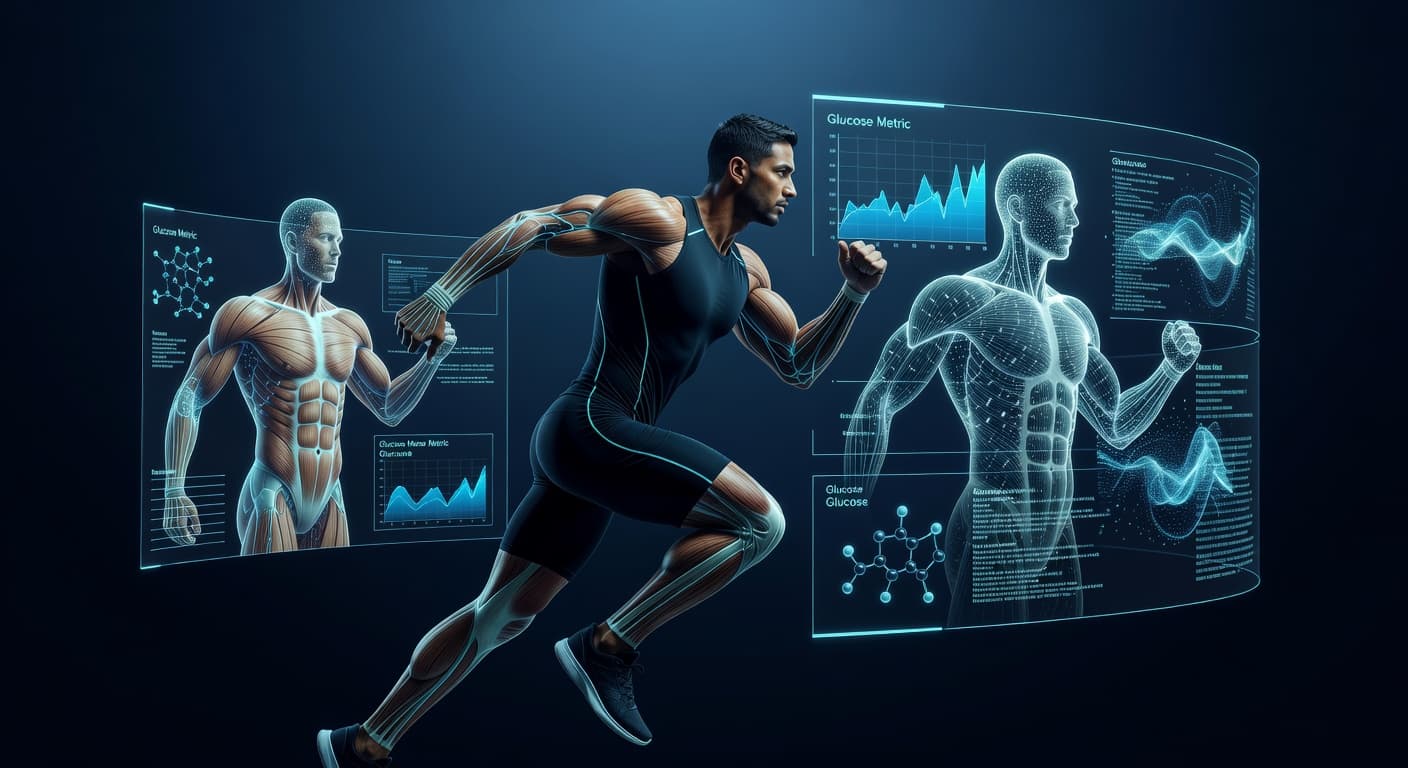
```markdown --- title: "Glucose Control: The #1 Fitness Trend Dominating 2026 (And Why It Actually Works)" date: "2026-04-05" description: "Discover the science of blood sugar mastery for faster fat loss, sustained energy, and better performance — with practical steps you can use today." tags: ["glucose control", "metabolic health", "fat loss", "cgm", "ai fitness coaching"] category: "fitness" ---
In 2026, the fitness conversation has shifted.
It's no longer just about "calories in, calories out" or the latest training split. The #1 topic dominating gyms, podcasts, and research papers is glucose control — how stable blood sugar levels affect everything from fat storage and muscle growth to daily energy, cravings, and long-term health.
This isn't a niche diabetic conversation anymore. Athletes, busy professionals, and parents in their 30s and 40s are all talking about it. The reason? New data from continuous glucose monitors (CGMs) and large-scale metabolic studies have shown that how your body handles glucose is one of the strongest predictors of body composition success — even more than total calories in some cases.
The Science Most People Still Get Wrong
When you eat carbohydrates, your blood glucose rises. Your pancreas releases insulin to shuttle that glucose into cells. So far, so simple.
Here's where it gets interesting: frequent, large glucose spikes trigger several unwanted responses:
- **Insulin resistance over time**: Your cells become less responsive, making fat loss harder.
- **Reactive hypoglycemia**: The crash after the spike leaves you tired, hungry, and reaching for more carbs.
- **Increased inflammation**: Chronic spikes promote systemic inflammation that interferes with recovery.
- **Fat storage signaling**: High insulin levels literally tell your body to store fat rather than burn it.
A landmark 2025 study published in Cell Metabolism followed 2,847 non-diabetic adults using CGMs for 12 weeks. The researchers found that individuals with the highest glucose variability gained 3.8 times more fat mass than those with stable levels — even when calories and protein were matched.
The good news? You can improve your glucose control dramatically in as little as 7–14 days.
Actionable Steps You Can Start Today
You don't need a $300 CGM to benefit from this knowledge. Here are the highest-leverage tactics:
1. The Meal Order Hack Research from Cornell and Weill Cornell Medicine shows that eating in a specific order can reduce post-meal glucose spikes by up to 73%. The protocol is simple:
- Vegetables first (fiber)
- Protein and healthy fats second
- Carbohydrates last
Try this at your next meal. Eat your salad or broccoli before touching the rice or potatoes. The difference in energy and satiety is noticeable.
2. The 10-Minute Movement Rule A 2024 study in Diabetes Care found that a 10-minute walk after meals reduced average glucose by 22% compared to remaining sedentary. This works even better than a single long workout for metabolic health.
3. Strategic Carb Timing Save most of your carbohydrates for the post-workout window and earlier in the day. Night shift workers and late eaters particularly benefit from keeping evening meals lower in refined carbs.
4. Strength Training for Insulin Sensitivity Resistance training increases GLUT4 transporters in muscle cells, improving glucose uptake without needing insulin. This is why lifters often handle carbs better than pure cardio enthusiasts.
5. Sleep and Stress Matter More Than You Think One night of poor sleep can increase next-day glucose response by 15–20%. This is where many people get stuck — they're doing everything "right" with food but ignoring recovery.
How This Changed Everything for Our Founder
When our founder Jake Long was working 80-hour night shifts as a chef, he weighed 308 pounds. His schedule was chaotic. He ate whatever was available at 3 AM — usually pizza, pasta, or whatever the line cooks had left over.
The turning point wasn't a new diet. It was understanding glucose control.
Jake started with simple changes: keeping a food journal that tracked his energy levels 2 hours after eating, prioritizing protein and vegetables even during night shifts, and taking short walks during his breaks. He didn't have fancy technology. He just paid attention to how different meals made him feel.
Within 18 months, he dropped 108 pounds and completely changed his relationship with food and energy. That personal experiment became the foundation for everything we built at Legacy In Motion.
Where AI Coaching Makes This Actually Sustainable
This is where the science gets really exciting.
Traditional fitness plans give you a static macro count and hope you figure out the rest. But your glucose response is highly individual. Two people can eat the same banana and have completely different blood sugar curves based on their microbiome, stress levels, sleep quality, and previous meals.
This is exactly why we built our AI coaching system the way we did.
Our platform doesn't just track workouts and macros. It learns your unique metabolic patterns over time. When you report energy levels, sleep quality, or how certain meals affect you, the AI adjusts your next day's nutrition and training in real-time.
Instead of following a generic "low carb" or "carb cycling" plan, members get daily recommendations that account for the latest research on glucose control. The system might suggest moving your carbs to after your workout, swapping a certain ingredient, or adding a 12-minute walk when it detects patterns that typically lead to energy crashes.
It's the difference between knowing the science and having the science applied to your specific life, schedule, and biology every single day.
Making It Practical This Week
Want to experiment with glucose control without buying any new gadgets?
Try this 7-day protocol:
- **Days 1-3**: Focus exclusively on meal order. Take notes on your energy levels.
- **Days 4-7**: Add the 10-minute walk after your two largest meals.
- Track your sleep and morning energy as your key metrics (not the scale).
Most people notice reduced cravings and more consistent energy by day 5.
The beautiful part is that these aren't restrictive rules. They're physiological hacks that make fat loss feel easier because your body isn't fighting against constant blood sugar roller coasters.
The Bottom Line
The fitness industry loves complicated solutions because simple ones don't sell as well. But the data is clear: mastering your metabolic response to food might be the highest-ROI change most people can make.
Whether you're a night shift worker like Jake was, a busy parent, or an athlete trying to optimize, understanding glucose control gives you leverage that goes far beyond the gym.
Want this built into your daily plan automatically — with an AI system that learns your body and adjusts in real-time based on the latest metabolic research? That's exactly what we do at Legacy In Motion.
Start your AI-powered transformation
The science is here. The tools are here. The only question is whether you'll use them.
Legacy In Motion — where ancient principles meet modern intelligence. ```
Ready to Build a Plan That Fits Your Schedule?
I went from 308 to 196 lbs working night shifts. Our AI coaching adapts to your sleep schedule, recovery data, and real-time progress — so every workout actually counts.
Start Your TransformationUse code FIRST50 for 50% off enrollment